Ciabatta Delight

Santosh Jha
| 26-12-2025
 · Food Team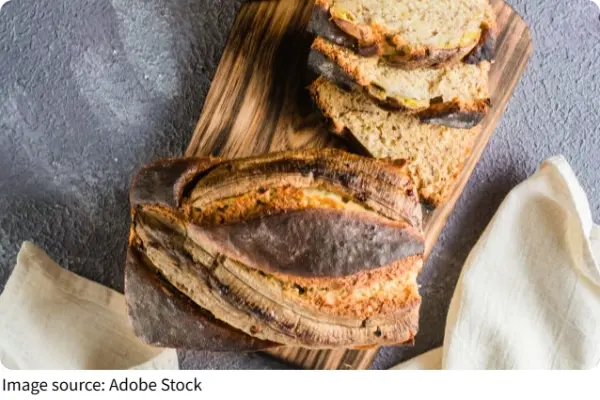
We’re excited to share the magic of Ciabatta bread with you. This Italian bread is famous for its crisp, golden crust, soft and airy inside, and slightly tangy flavor.
Once you bite into it, the chewy texture and rich aroma are irresistible. Today, we’ll guide you step by step to make authentic ciabatta at home. Let’s get our hands (almost!) on the dough!
Introducing Ciabatta
Ciabatta, meaning “slipper” in Italian, is known for its unique shape and open crumb structure with large and small holes. The long, slow fermentation gives it a slightly sour, complex flavor. Europeans often enjoy it dipped in olive oil and balsamic vinegar, or use it for sandwiches filled with cheese, vegetables, or cured meats. With this recipe, we can enjoy a bakery-style loaf without leaving our kitchen.
Ingredients for Ciabatta
We’ll prepare the dough in two stages for best results.
Stage One – Liquid Starter:
- 210g high-protein flour
- 210g water (around 37°C)
- 1–1.5g active dry yeast
Optional: 15 black olives, chopped and drained
Stage Two – Final Dough:
- 90g high-protein flour
- 6g salt
- 1–1.5g active dry yeast
- 45g olive oil
This two-stage process ensures a flavorful, soft, and airy loaf with a crispy crust.
Step-by-Step Instructions
Step 1: Make the Liquid Starter
1. Dissolve 1–1.5g yeast in 210g warm water (around 37°C).
2. Add 210g flour to the water and mix with a chopstick or spoon. The dough will be very loose—don’t try to knead by hand.
3. Cover the bowl with plastic wrap or a lid and leave it to ferment at 15–20°C overnight (about 16 hours). The dough will rise and slightly collapse in the middle, which is normal.
Step 2: Mix the Final Dough
1. In a separate bowl, combine 90g flour, 6g salt, and 1–1.5g yeast.
2. Add this mixture to the liquid starter and stir with a chopstick until roughly combined.
3. Use a stand mixer: low speed to combine, then medium speed to gradually add 45g olive oil until fully incorporated.
4. Fold in the chopped olives if using. Avoid overmixing; the dough should remain soft and sticky to maintain its airy texture.
Step 3: First Proof
1. Scrape the dough onto a lightly floured surface.
2. Cover and leave it in a warm, humid spot until doubled in size (about 1–2 hours).
Step 4: Shape the Dough
1. Gently divide the dough into two portions using a spatula.
2. Shape each portion into a flat oval (slipper shape). Don’t press too hard to keep air pockets intact.
3. Place the shaped dough on a floured baking tray. Sprinkle lightly with flour to prevent sticking.
Step 5: Second Proof
1. Cover the dough and let it rest in a warm, humid environment until doubled in size again (about 45–60 minutes).
2. Check that the surface develops slight cracks and looks airy.
Step 6: Bake the Ciabatta
1. Preheat the oven to 220–200°C.
2. Place the dough in the middle rack. Bake for 30–40 minutes until golden brown.
3. If the top browns too fast, cover loosely with aluminum foil.
4. After baking, transfer to a cooling rack to avoid sogginess.
Tips for Perfect Ciabatta
- Patience is key. The liquid starter requires very little yeast but develops excellent flavor over time.
- Avoid overmixing; we want the dough sticky and soft.
- Flour-to-water ratio: flour 100%, water 70%, salt 2%, yeast 1%, olive oil 15%. Adjust slightly for personal preference.
- Even in winter, the slow fermentation works perfectly.
Serving and Enjoying
We love ciabatta with olive oil and balsamic vinegar or for making sandwiches with fresh vegetables and cheese. Each bite delivers a crunchy crust and soft, chewy interior. Homemade ciabatta takes patience, but the process is relaxing, and the smell filling the kitchen is irresistible.
Final Thoughts
We hope this guide inspires you to try ciabatta at home. From making the liquid starter to pulling the golden loaf from the oven, every step is enjoyable. With patience and care, we can create bakery-quality ciabatta right in our own kitchens. Let’s enjoy baking and savoring this Italian classic together!
Homemade Ciabatta Bread Recipe
Video by Preppy Kitchen